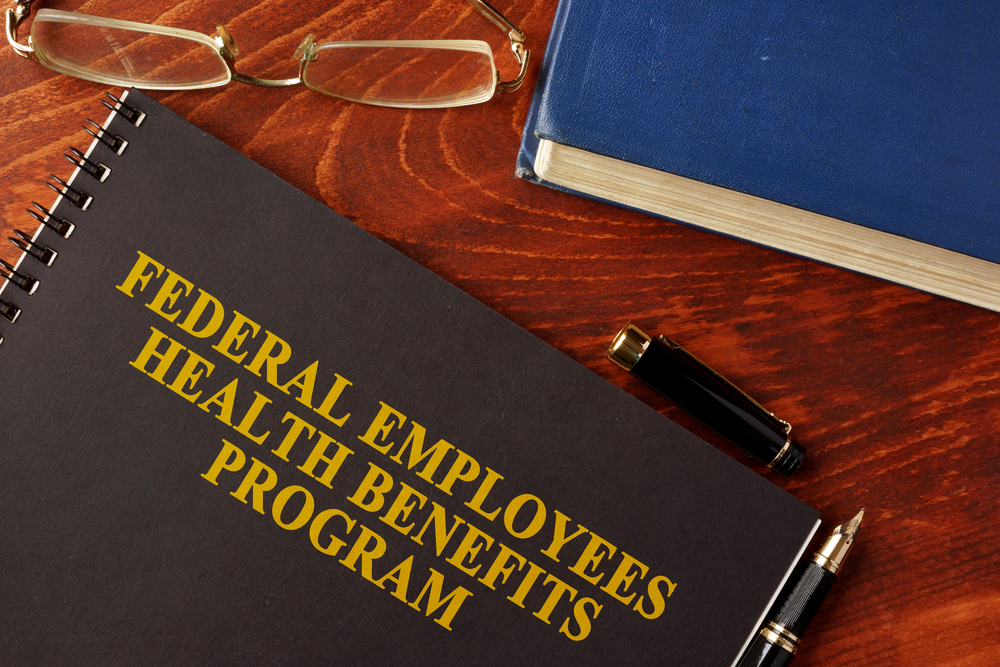
FEHB in retirement can be one of the most valuable benefits available to federal employees. If you retire at 57 with 30 years of service, however, you could have roughly eight years between retirement and Medicare eligibility. Those years deserve some planning of their own.
You Can Keep FEHB After Retirement
Retirement doesn’t automatically mean giving up your FEHB coverage.
If you retire with an immediate annuity and meet the FEHB enrollment requirement—generally five years of continuous enrollment before retirement, or all periods of eligibility if you’ve been covered for less than five years—you can generally continue FEHB into retirement.
The government contribution toward your FEHB premium can also continue, subject to program rules. That’s a significant benefit. But once the paycheck stops, healthcare costs take on a different financial meaning.
Your Health Plan Becomes Part of Your Retirement Budget
While you’re working, premiums, deductibles and unexpected medical expenses are being paid from a household that still has employment income.
After retirement, those same costs come out of your retirement cash flow and savings. That doesn’t make FEHB less valuable. It means you may want to take a closer look at the plan you’re carrying into retirement.
Premiums, deductibles, copays, prescription coverage, provider networks and out-of-pocket limits can all affect how much room you’ll need in your retirement budget. If you’re retiring years before Medicare, those considerations can matter even more.
What About an HSA?
If you’re enrolled in an HSA-eligible FEHB high-deductible health plan, the HSA remains yours after you leave federal employment.
You can generally continue contributing while you’re eligible to make HSA contributions, but enrolling in Medicare generally ends your ability to make new HSA contributions. The money already in the account remains available for qualified medical expenses.
That makes the years before Medicare an important period for thinking about how an HSA fits into your healthcare strategy.
Medicare Doesn’t Replace FEHB
You don’t have to give up FEHB simply because you’re eligible for Medicare. You can have both. When you do, Medicare generally pays first and FEHB pays second, subject to the specific plan’s coordination rules.
That means your decision at 65 isn’t necessarily FEHB versus Medicare. You’ll need to consider whether adding Medicare, particularly Part B, is worthwhile for your circumstances.
Think of 57 to 65 as Its Own Planning Period
Retiring at 57 doesn’t mean you’re losing your federal health benefits. If you meet the requirements, FEHB can follow you into retirement.
But those eight years before Medicare can affect your retirement budget, your choice of FEHB plan and how you use savings such as an HSA.
Before retiring, take a close look at what healthcare could cost during that period and how those expenses fit alongside your pension, Social Security, TSP withdrawals and other income.
A Federal Retirement Consultant (FRC®) can help you look at the entire picture before you retire, including how FEHB fits with your pension and other retirement income.